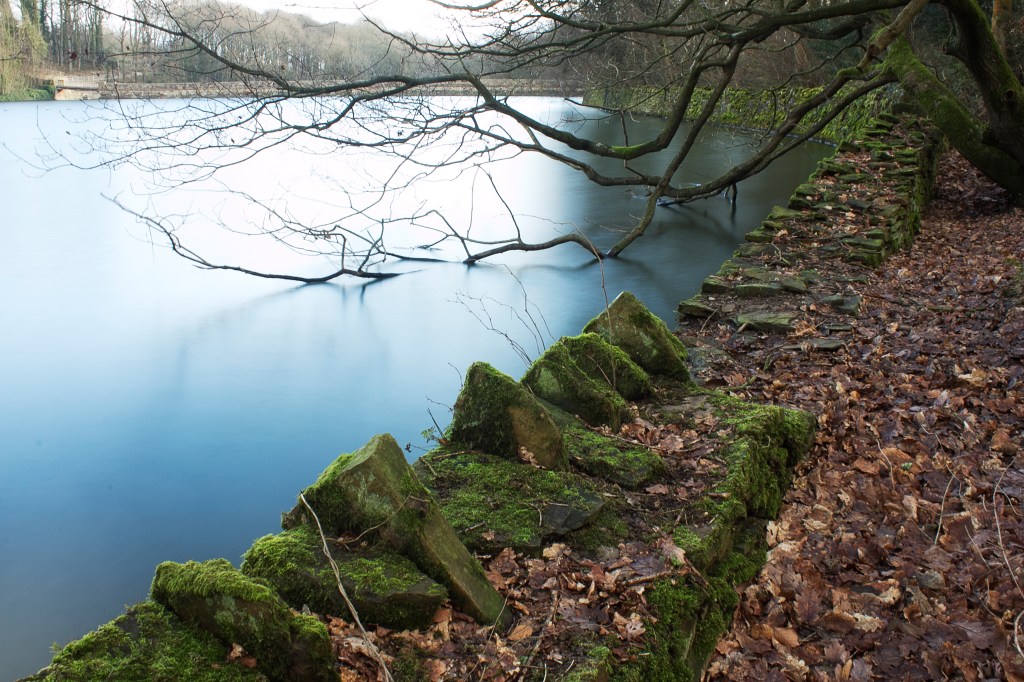
This is the first in my ‘Photography 101’ series, aimed at helping people feel more confident with their camera. For best results, follow the ‘Homework assignments’ and try the exercises. You’ll get to know your camera a lot quicker if you do!
Shutter speed is the easiest of the concepts to understand, but in my humble opinion it’s the most powerful. When I take an image, I set the ISO number and the aperture and then mess with the shutter speed to get the effect I want. So what does it actually mean?
Camera basics
The basic mechanics of a camera are simple and you probably already know them, but let’s recap. Inside the camera is something that reacts to light. It could be film (in an analogue camera), or a light-sensitive sensor (in a digital camera) which is the example we’ll use for now. When you press the button, the shutter (a little window in front of the sensor) opens, the sensor is exposed to light for a very brief period of time, and the impression on your sensor at the end of that time is your photo!
Now, the sensor itself has no real intelligence of its own. As long as it’s exposed to light, it’s reacting. It can’t stop reacting of its own accord. If you expose the sensor to light for too long, your photo will get brighter and brighter until it’s pure white. Any time the shutter is open for too long, even if your photo doesn’t go pure white, we call that ‘overexposed’.
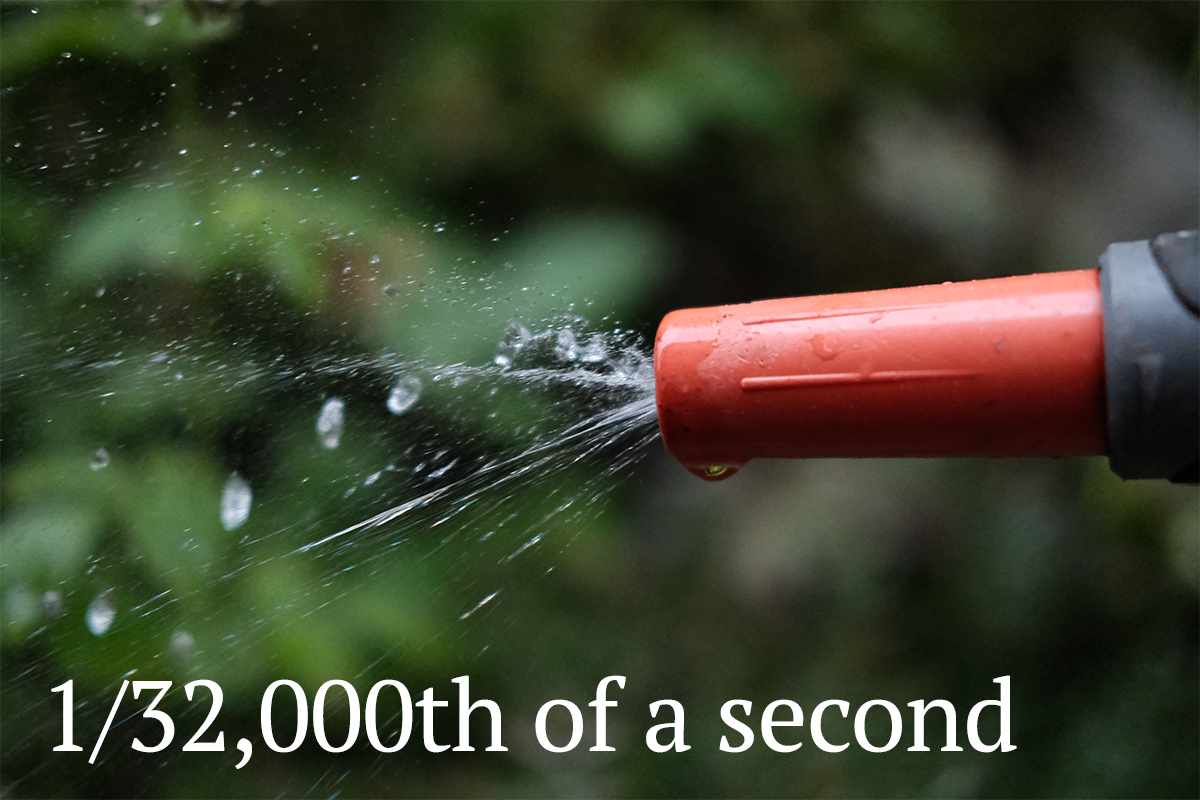
And the opposite is true. If the shutter doesn’t open for long enough and your photo is too dark, we call that ‘underexposed’. That’s why, when we talk about shutter speed, we (usually) deal in fractions of a second – maybe as low as 1/32,000th of a second – because we want to make incredibly fine adjustments to the exposure.
What happens when the shutter opens
Of course, two things are happening whilst the shutter is open. One is that the sensor is being exposed to light. The other thing, away from the camera, is that your subject is moving. If you’re taking a photo of Mount Snowdon, then the shift of tectonic plates or the gradual erosion of rock is not something that’s going to worry you too much. But if you’re trying to take a photo of a person, it could be an issue. They might move, or blink, or breathe, or have an orgasm (depends who your subject is).
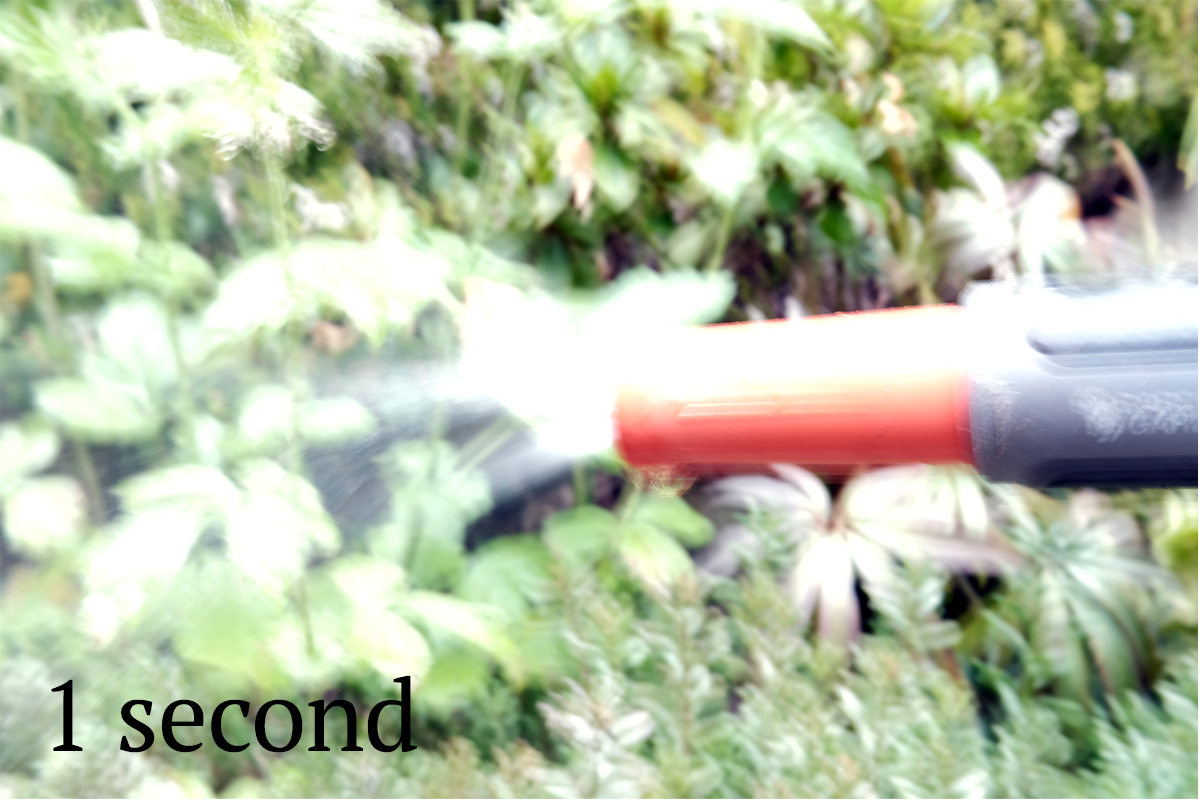
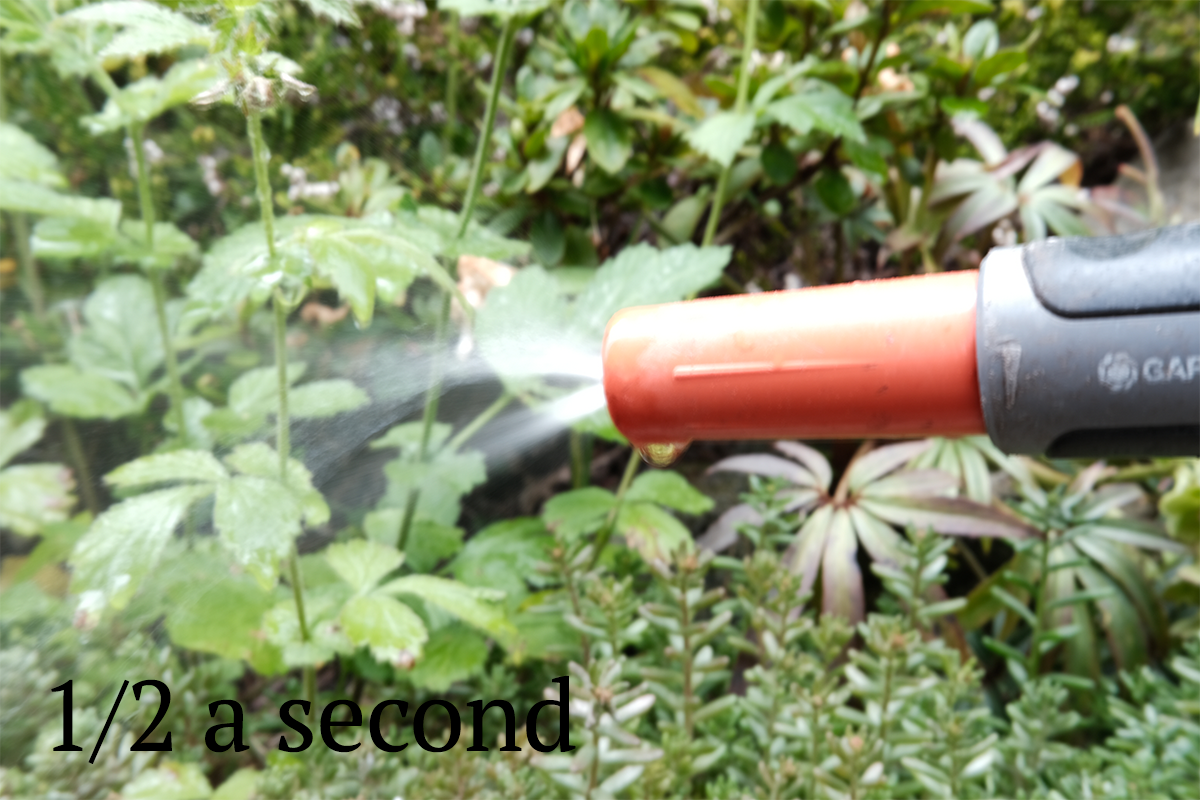
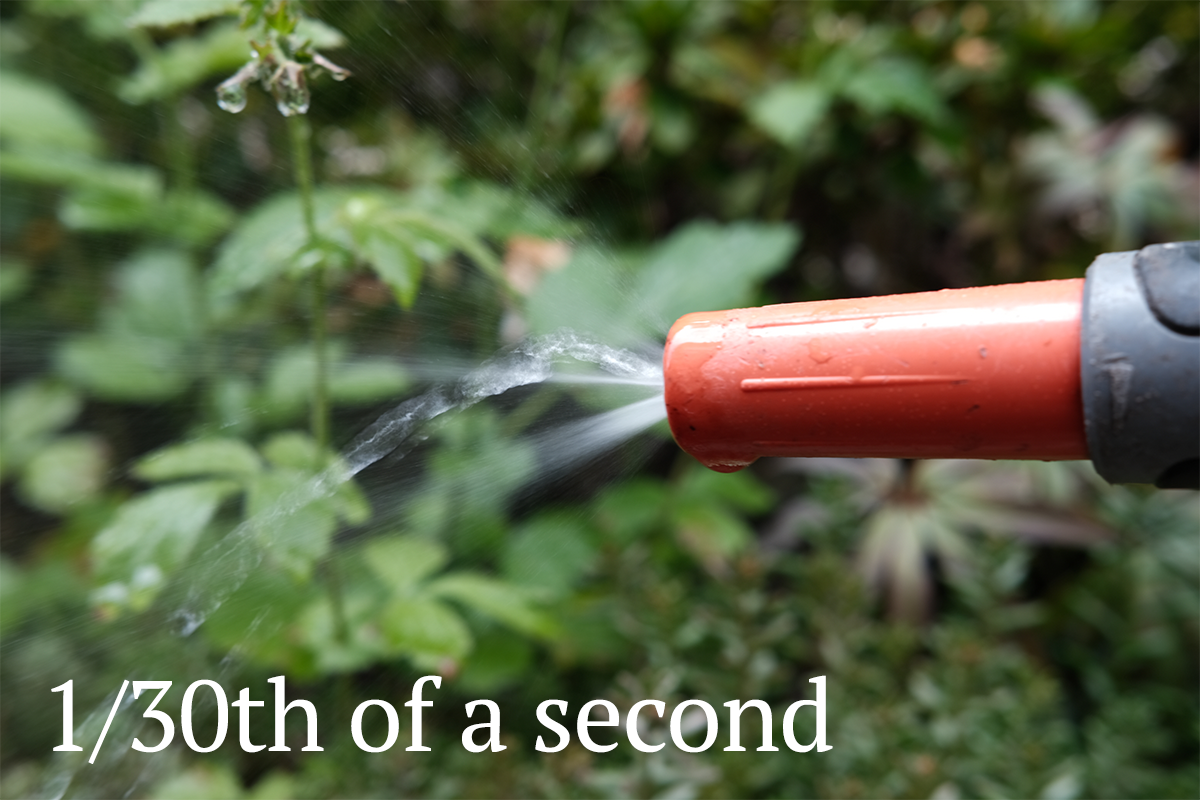
That movement will cause parts of the photo to blur as the sensor tries to catch that movement. Because the impression of the thing or person doesn’t stay on the sensor for long enough, it will appear… well, blurred really is the only word to use.
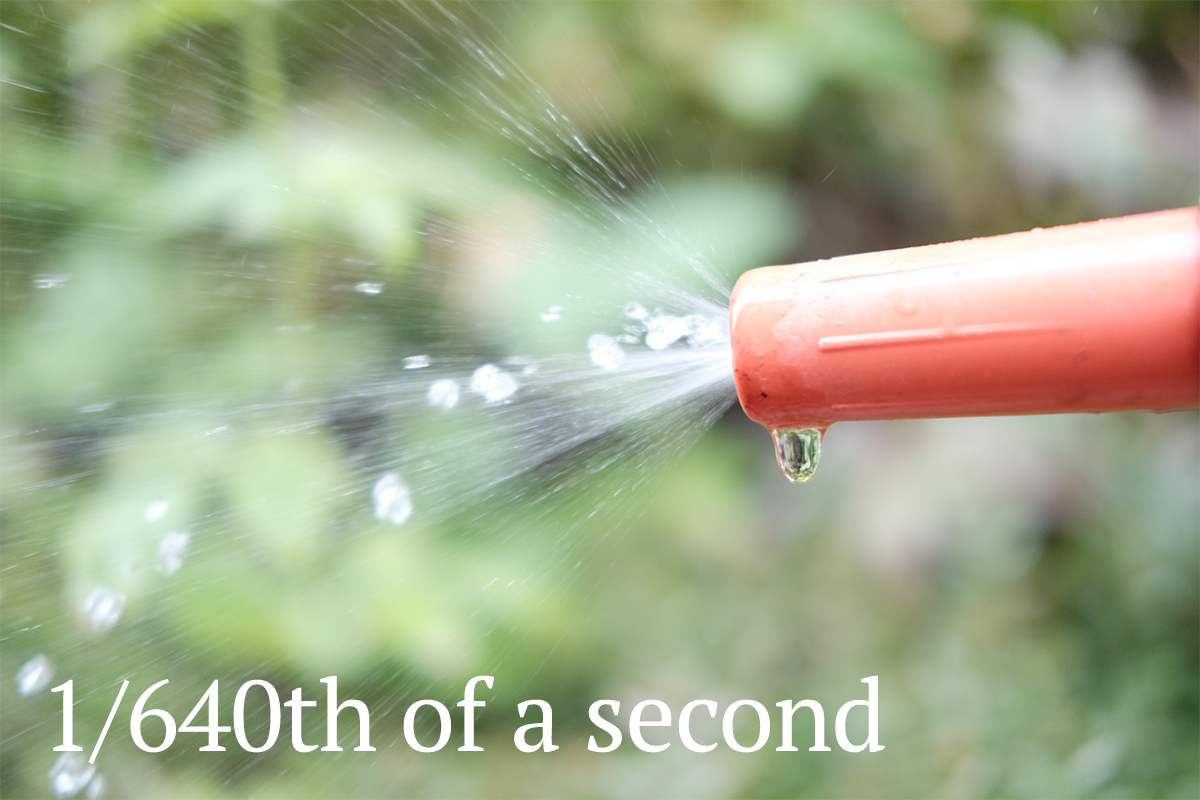
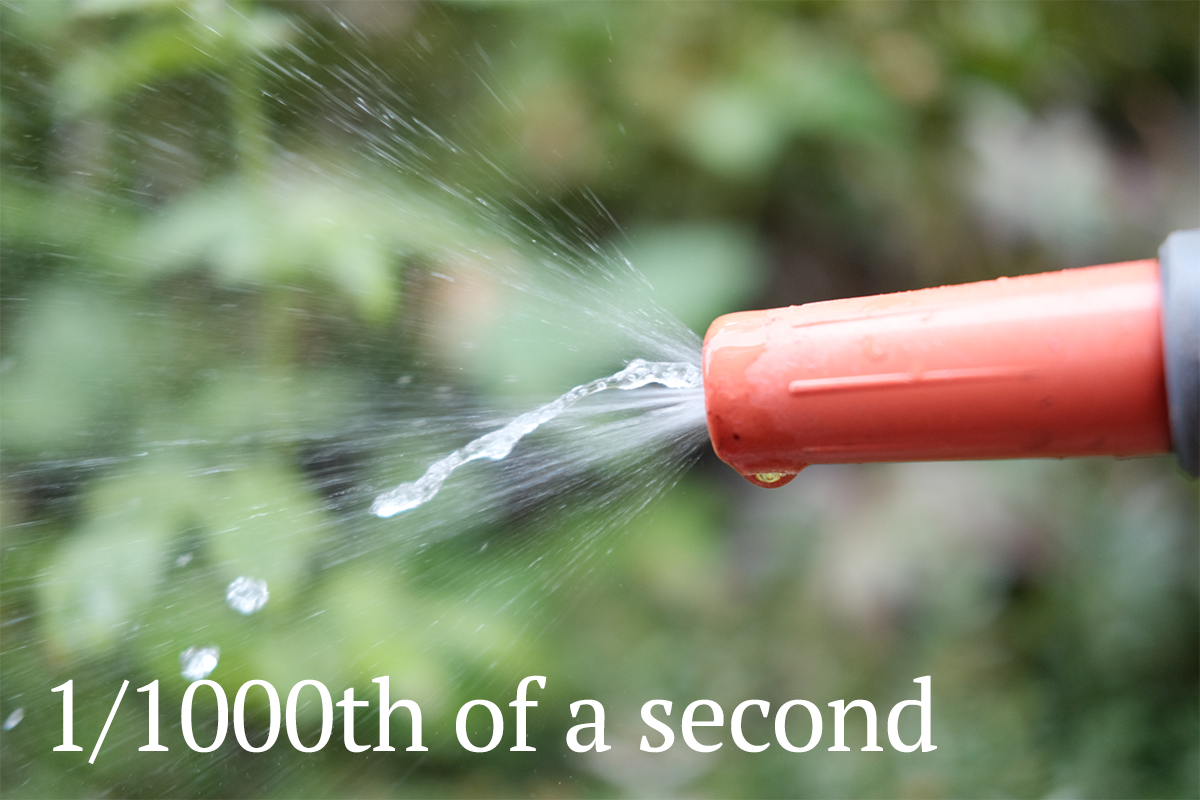
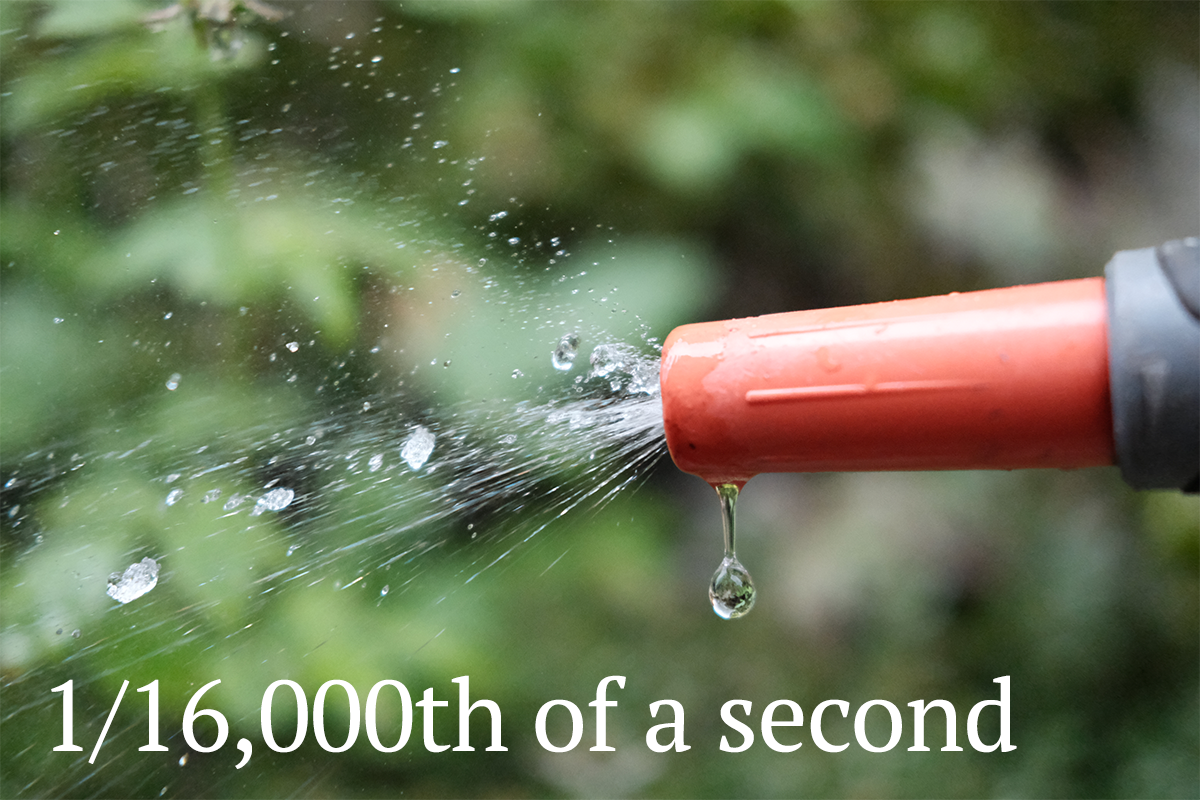
For homework, you’re going to look at how shutter speed affects exposure yourself. So together, let’s look at how shutter speed affects movement and blur. I took some pictures of water coming out of the hosepipe as an example and you shouldn’t read anything Freudian into that.


A balancing act
So when you take a photo, you’re always trying to strike a balance between letting enough light in to take a photo, and making it quick enough so that you freeze any movement and your photo is crisp and sharp. They’re the two rules of controlling your shutter.
Yes, I know what you’re going to ask – sometimes, you can break one or both of those rules to creative effect. We’ll get to that later, but first, it’s time to learn about aperture.
Any questions? Leave them in the comments!
Homework assignment
Get to know your camera:
- How do you change the shutter speed?
- What is the fastest shutter speed on your camera?
- What is the slowest shutter speed?
- Set your camera up on a tripod or rest it on a table. Doesn’t matter what it’s pointing at. Put the camera on manual, set the ISO to 400 and the aperture to F5.6. Then take one picture of exactly the same scene at every different shutter speed on your camera, and then compare them.
- Do the same exercise in a completely different place; for example, go outside. How does the level of ambient light affect the picture? At what speed does a photo outside become overexposed, compared to inside?
Quick snaps
- The shutter is a window that you open so that light falls on the sensor.
- When the shutter opens, the sensor reacts to light to form your photo.
- Under- and overexposed is when too little or too much light falls on the sensor, making your photo very dark or very light.
- When you leave the shutter open for too long, you also risk capturing unintentional movement that causes blur in your photo.

 It's a Queer Old Blog...